
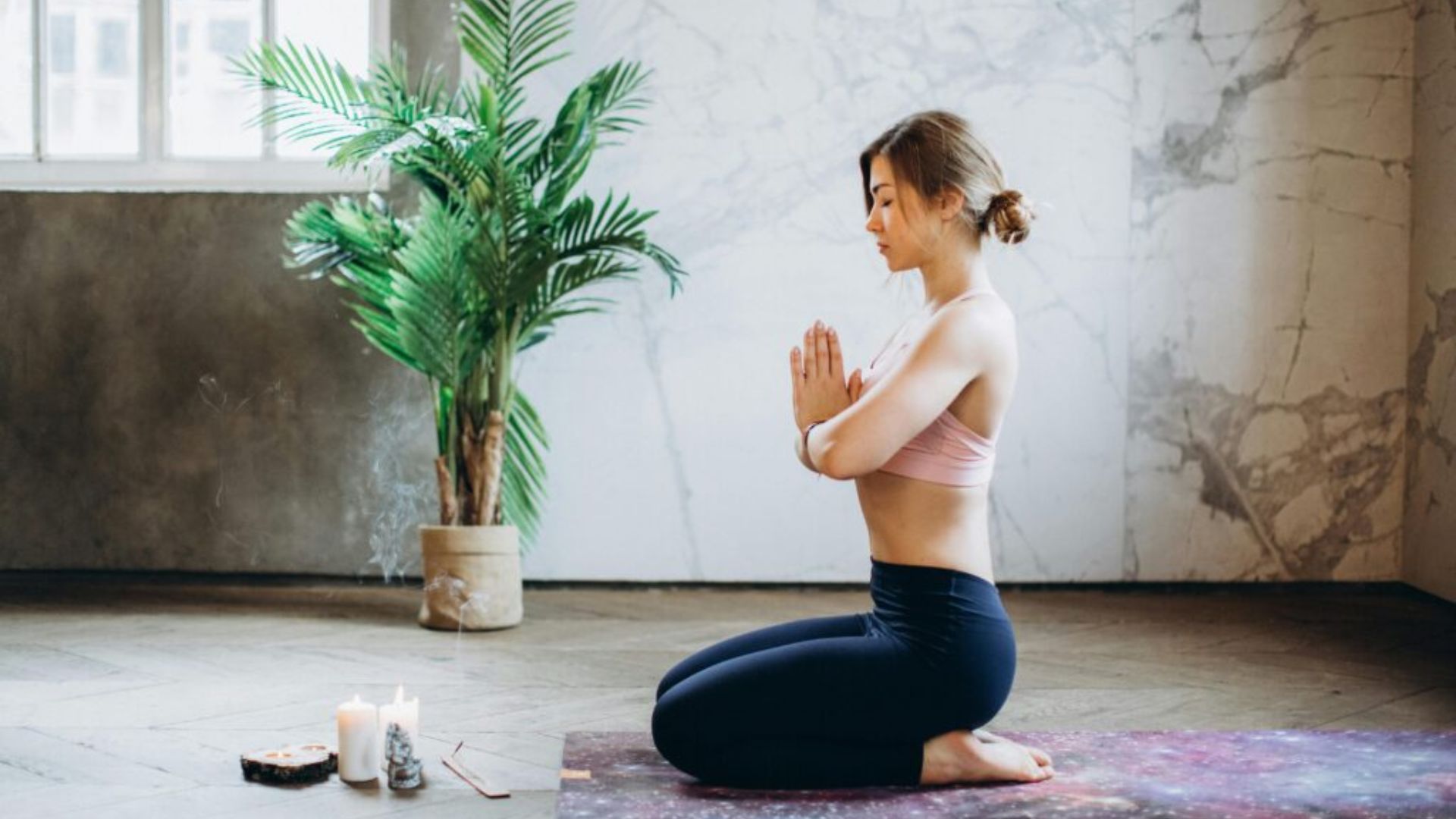
Creating a wellness routine can feel overwhelming, especially when life is already filled with work, responsibilities, and unexpected challenges. Many people think they need a strict schedule, a gym membership, or hours of extra time each day to stay healthy. But true wellness doesn’t depend on perfection — it depends on consistency, self-awareness, and habits that match your real life. When you simplify your approach, wellness becomes something you look forward to instead of something you fight against.
In this article, I’ll walk you through practical ways to build a routine that feels natural, flexible, and sustainable. These methods are designed to fit into almost any lifestyle, whether you’re busy, stressed, or unsure where to begin.
Start with the Life You Already Have
The biggest mistake many people make is trying to adopt routines that don’t match their lifestyle. They see someone waking up at 5 a.m. for workouts and feel pressured to do the same. But your wellness routine should be designed around your reality — not someone else’s.
Take a moment to observe your daily rhythm. When do you naturally feel energized? When do you feel slow or distracted? Where are the pockets of time that already exist? You may discover that you don’t need to rearrange your entire schedule to add wellness habits; you just need to use your time more intentionally.
For example:
- If your mornings are hectic, your routine can begin in the afternoon.
- If you stay up late, forcing an early wake-up will only create frustration.
- If you’re busy at work, shorter “wellness moments” may work better than long activities.
By basing your routine on the life you currently live, you create something realistic — and realistic routines stick.
Begin with One Simple Habit
Trying to change everything at once usually leads to burnout. Instead, choose one habit that feels easy and achievable. This small step builds confidence and creates momentum.
Here are gentle habits that work for many people:
- Drink a glass of water first thing in the morning
- Take a 10-minute walk during lunch
- Stretch for three minutes before bed
- Pause for deep breaths every couple of hours
- Note one thing you’re grateful for each day
The goal isn’t intensity — it’s consistency. When one habit becomes automatic, adding another becomes much easier.
Make Movement Enjoyable
Movement is a powerful form of wellness, but it shouldn’t feel like a chore. If you dread your workout, it’s a sign that you haven’t found the right type of movement yet. Exercise is most effective when it feels good in your body and supports your lifestyle.
Try experimenting with different activities:
- Nature walks that help clear your mind
- Short at-home workouts
- Dancing in your living room
- Yoga for flexibility and calm
- Light strength training a few days a week
- Bike rides on weekends
- “Movement snacks” — 2-minute bursts of activity throughout the day
The key is finding something you enjoy. A joyful movement routine is a sustainable one.
Prioritize Rest and Recovery
Modern life can make rest feel like a luxury, but in reality, it’s a necessity. Proper rest strengthens immunity, sharpens focus, boosts mood, and supports emotional well-being. If you want a routine that works long-term, you need to build in rest just as intentionally as movement.
Here are simple ways to support rest:
- Step away from screens at least 30 minutes before sleep
- Create a relaxing evening ritual
- Keep your sleep environment cool, quiet, and comfortable
- Give yourself short breaks during the day to reset
- Practice breathing techniques to calm your nervous system
Rest isn’t a reward — it’s part of the foundation of wellness.
Eat with Awareness, Not Restriction
Healthy eating doesn’t have to involve complex rules or strict diets. In fact, restrictive approaches often cause stress and guilt, which work against wellness. A mindful, flexible approach helps you feel nourished without pressure.
Instead of focusing on what to avoid, consider what you can add:
- More fruits and vegetables
- Whole grains that keep you full
- Lean proteins that support energy
- Healthy fats that feed the brain
- Foods that make you feel satisfied, not deprived
- Plenty of water throughout the day
Mindful eating is about listening to your body’s cues, slowing down during meals, and choosing foods that help you feel good inside and out.
Support Your Mental and Emotional Health
Wellness is more than physical habits — it also includes caring for your mind. Stress, overwhelm, and constant noise can drain your energy and make routines difficult to maintain. By protecting your mental space, you create a foundation for better choices.
Some simple, calming practices include:
- Writing a few thoughts in a journal
- Practicing deep breathing or meditation
- Limiting screen time when you feel overstimulated
- Stepping outside for fresh air
- Creating a few minutes of quiet each day
- Using gratitude to shift your mindset
- Talking to someone you trust when you feel stressed
Small mental-care habits go a long way in helping you stay balanced.
Build Flexibility into Your Routine
Life changes, and your routine should be able to change with it. Instead of viewing your wellness plan as a strict checklist, see it as a flexible guide that shifts based on your needs.
Consider these questions weekly:
- What is working well for me?
- Which habits feel natural?
- Which habits feel forced or stressful?
- What can I simplify?
- What can I adjust based on my energy or schedule?
A flexible routine allows you to adapt without feeling like you’ve failed. Wellness should support your life, not control it.
Allow Yourself Grace
There will be days when your routine goes perfectly and days when nothing goes according to plan. Both are normal. Wellness isn’t about perfection — it’s about showing up for yourself with patience and kindness.
If you miss a habit, skip a workout, or feel overwhelmed, remind yourself that progress isn’t lost. Simply return to your routine when you’re ready. Grace keeps you moving forward, even when life gets difficult.
After-Text: Wellness Practices Mentioned in This Article
Below is a clear list of all these practices included throughout the article, making it easy for you to reference or build your own routine.
Daily or Frequent Practices
- Drinking a morning glass of water
- Taking 10-minute walks
- Stretching for a few minutes before bed
- Deep breathing exercises
- Practicing gratitude
- Mindful eating
- Hydration throughout the day
- Short “movement snacks”
- Stepping outside for fresh air
- Quiet moments away from screens
- Writing short journal entries
Weekly or Flexible Practices
- Yoga or gentle stretching sessions
- Light strength training
- Dancing for fun and movement
- Nature walks
- Short at-home workouts
- Adjusting routines based on weekly needs
Rest & Reset Practices
- Screen-free time before sleep
- Evening relaxation rituals
- Short daytime rest breaks
- Sleep-friendly environment adjustments
- Breathing techniques for relaxation
Conclusion
Simplifying your wellness routine is one of the most powerful gifts you can give yourself. When you focus on small habits, realistic goals, and practices that fit your lifestyle, wellness becomes something you naturally live — not something you struggle to maintain. The key is consistency, not perfection. By listening to your body, honoring your energy, and allowing your routine to grow with you, you create a foundation that supports your physical, mental, and emotional health. Wellness becomes less about doing everything right and more about showing up for yourself each day in meaningful, sustainable ways. With a gentle, flexible approach, you can build a routine that nourishes you, strengthens you, and truly fits the life you’re living.