
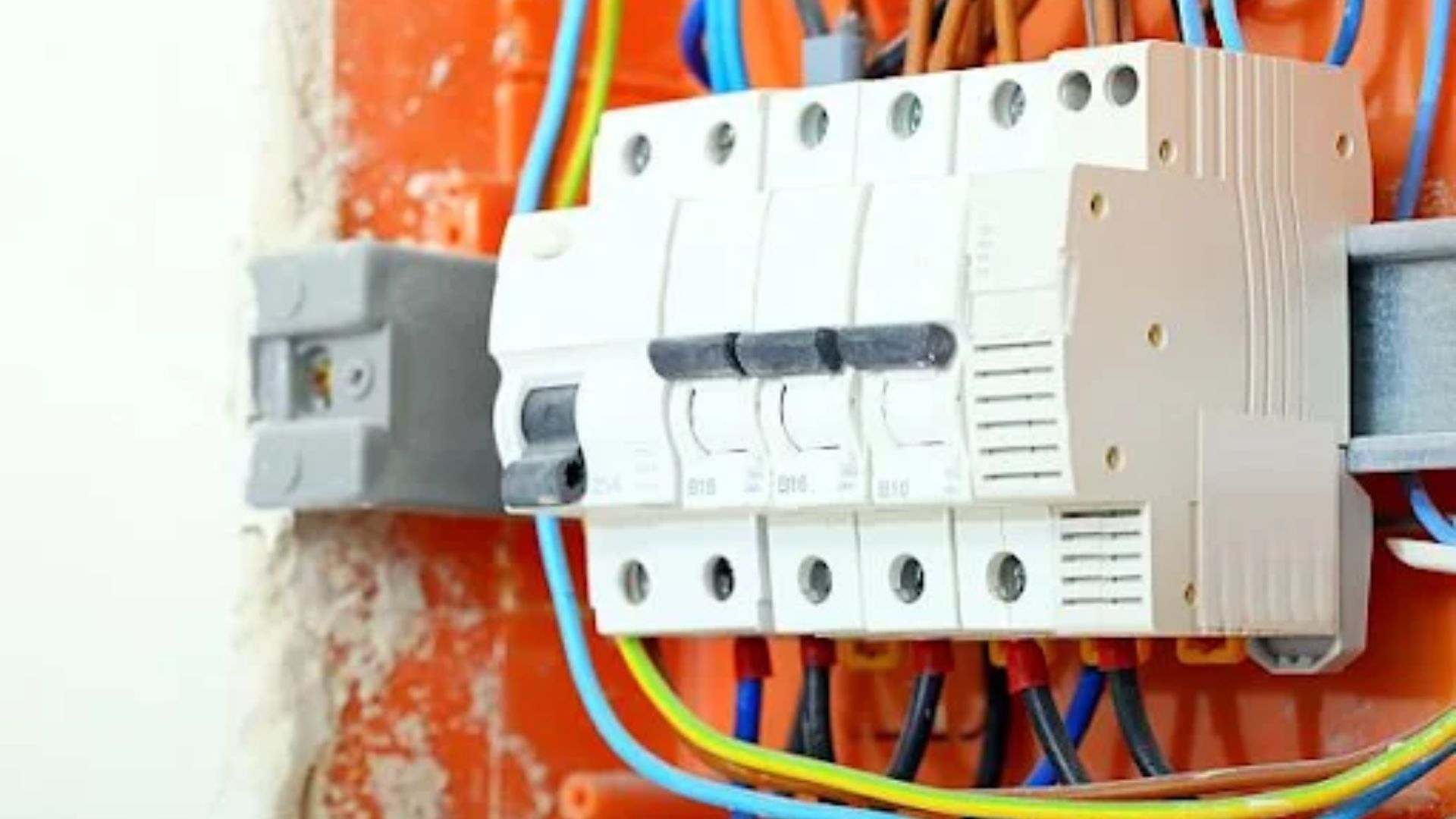
With the development of new and modern buildings and smarter technologies, there is also the need to expand the electrical systems that serve these structures and safeguard them. At household level and even at the level of data centers, there is a great need to protect the electrical infrastructure against unexpected voltage surges. Sudden spikes in power (produced by lightning induction, electrical utility switching, or internal equipment turn on/off cycling) are a very significant threat to our modern sensitive equipment. Conventional protection techniques, in most cases, incorporate the use of more than one equipment to provide protection against various surge kinds. But with the invention of innovations such as the type 2+3 surge protection device, an opportunity has occurred to have a more layered defense by being less cumbersome than before. These hybrids protectors do not only protect against a medium and low-energy surge on a critical system or aid in limiting the downtime and damage to the equipment in different environments, but they can also be used in conjunction with electric safety devices to establish a more thorough barrier against electrical hazard, decrease downtime and equipment damage in numerous installations.
The Importance of Layered Surge Protection in Modern Infrastructure
Today’s infrastructure relies heavily on automation, digital communication, and networked systems—all highly sensitive to electrical disturbances. Effective surge protection must therefore be multi-layered and flexible.
- Type 2 protection is typically installed at the main distribution panel and handles large transient overvoltages originating from external sources such as lightning or power grid switching.
- Type 3 protection, on the other hand, is installed closer to end-user equipment, managing smaller, residual surges generated internally.
By combining these two types, a Type 2+3 surge protection device creates an integrated, full-spectrum safeguard. This hybrid design eliminates the need for separate installations while providing quicker and more dynamic protection. When used alongside devices like circuit breakers, fuses, and ground fault interrupters, it forms a complete electrical safety system. This multi-tiered approach not only enhances safety but also ensures continuous operation—an essential requirement in mission-critical environments like hospitals, manufacturing plants, and smart homes.
Applications and Benefits Across Different Sectors
The Type 2+3 surge protection device offers adaptability, making it suitable for residential, commercial, and industrial settings.
- In homes, it protects smart lighting, HVAC systems, and entertainment centers from voltage fluctuations. With the growing popularity of solar panels and energy storage systems, such protection becomes even more crucial to maintain stability and extend the life of connected equipment.
- In commercial buildings, such as offices and retail spaces, the hybrid surge protector maintains operational continuity for sensitive systems like cash registers, servers, and communication networks during power irregularities.
- In industrial facilities, where equipment like motors, sensors, and PLCs (programmable logic controllers) are essential and expensive, surge events can halt production and cause costly downtime. Implementing a Type 2+3 surge protection device prevents such losses, safeguards workers, and ensures system reliability.
Across all these settings, the device functions as part of a broader electrical protection architecture, delivering robust and consistent defense against transient voltage surges.
Design and Installation for Optimal Performance
To maximize performance, surge protection must be properly designed and installed. Strategic placement of the Type 2+3 surge protection device—whether at the main panel, sub-panel, or near sensitive equipment—ensures both broad and localized defense.
Key design and installation considerations include:
- Voltage rating and discharge current capacity: Ensuring the device can handle expected surge levels.
- Clamping voltage and response time: Lower clamping voltages and faster response times provide superior protection.
- Coordination with other devices: The SPD must operate harmoniously with upstream and downstream protection devices to avoid overlap or interference.
- Grounding and wiring: Short, direct connections and proper grounding are essential for minimizing resistance and maximizing surge dissipation.
Compliance with international standards such as IEC 61643 or UL 1449 guarantees reliable performance. Furthermore, integrating monitoring features allows real-time diagnostics, alerts, and maintenance insights, helping facility managers sustain protection as system conditions evolve. With the rise of smart grids and connected power systems, this proactive approach is becoming a standard practice.
Smart and Future-Ready Surge Protection
As the world transitions toward smarter and more energy-efficient infrastructure, surge protection technology is evolving too. Modern Type 2+3 surge protection devices are increasingly equipped with IoT-based monitoring, remote diagnostics, and cloud connectivity. These intelligent systems can provide predictive maintenance alerts and detailed power quality analytics.
Such integration aligns with the broader trend of smart electrical protection, where devices can self-test, adjust trip parameters, and share data across building management systems. This not only enhances safety but also improves energy efficiency, reduces downtime, and lowers long-term operational costs.
In the near future, surge protectors will likely evolve into multifunctional diagnostic tools, helping facility managers analyze and optimize electrical performance. The hybrid Type 2+3 design represents an essential step toward this future—combining strong surge mitigation with intelligent monitoring to create resilient, efficient, and sustainable electrical systems.
Conclusion
The type 2+3 surge protection unit provides an intelligent, simple design answer to an old question: the best way to provide full surge protection without complicating a surge protection system design. These devices can be installed with much ease due to the fact that it fills the compatibility gap existing between medium-energy and those in the low-energy surge mitigation options, hence increasing the overall safety. When a combination of them is combined in a comprehensive set of electric safety equipment, they offer a redundant protective system against unseen electrical occurrences to both infrastructure and connected technology. Wherever it be, homes, businesses, or industrial sites, these hybrid protectors can be seen as the future-ready solution in managing the risk of surges in a more efficient, cost-effective, and smart manner.